
Livingston, Montana Rodent Control for Homes, Ranches & Businesses
Customized management of mice, packrats, and voles throughout Livingston, Paradise Valley, and surrounding Park County communities.
Locally Owned & Operated
Montana-based rodent specialists
Mice Control Experts
Focused solutions for mouse activity
Customized IPM Programs
Control plans built for each property
100% Satisfaction
Service backed by our guarantee
24/7 Customer Service
Responsive help around the clock

LOCAL PARK COUNTY RODENT SPECIALISTS
Rodent Management Designed for Livingston’s Property Mix
Rodent activity in Livingston can affect everything from established neighborhood homes and older buildings to ranch properties, vacation rentals, shops, barns, and detached outbuildings. Each property presents a different combination of shelter, food, access points, surrounding vegetation, and exterior rodent pressure.
High Country Wildlife Control begins by determining where activity is occurring and how the animals are using the property. Signs such as droppings, disturbed insulation, damaged food packaging, nesting debris, gnaw marks, and sounds inside walls can help identify the species involved and the extent of the problem.
Our customized Integrated Pest Management (IPM) programs may combine trapping, removal, exterior control measures, monitoring, and practical recommendations for reducing future activity. The objective is not simply to remove the rodents currently visible. It is to establish control that fits the building, property use, surrounding environment, and likelihood of continued pressure.
LIVINGSTON PROPERTY CONDITIONS
Why Rodents Find Opportunity Around Park County Properties
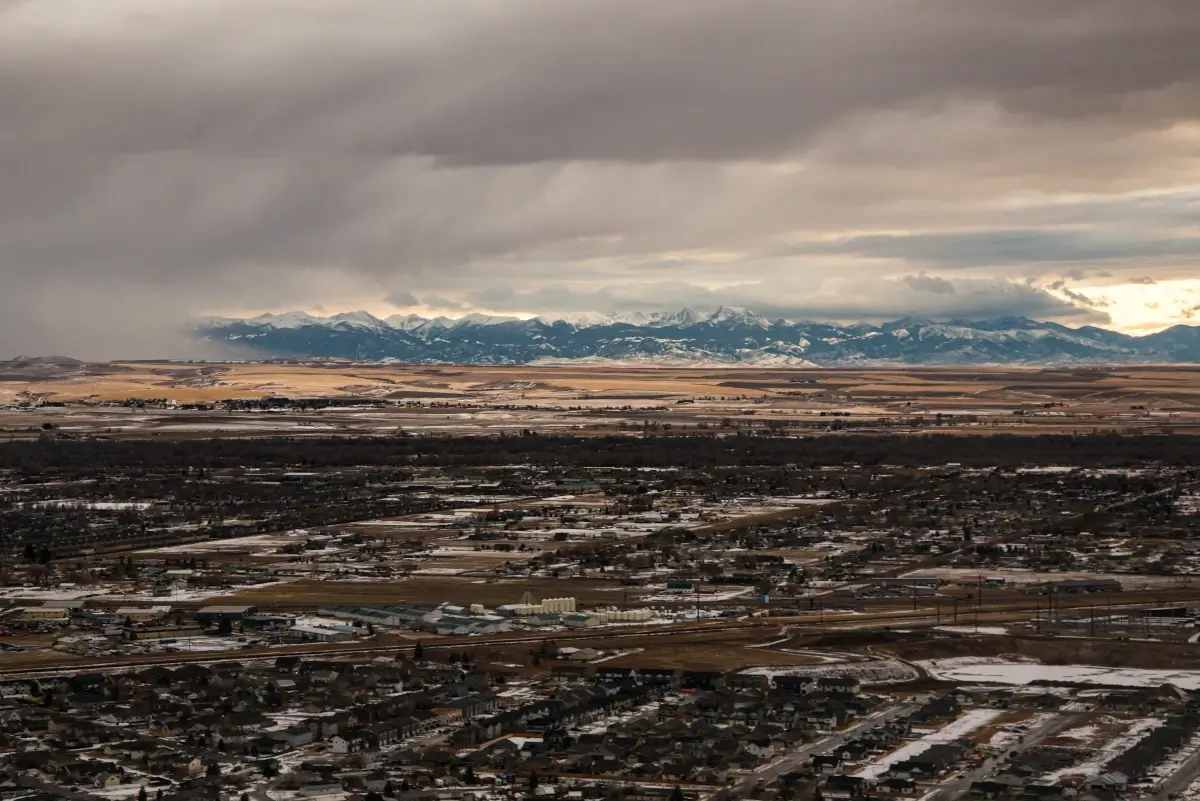
Livingston’s mix of historic buildings, residential neighborhoods, commercial properties, agricultural land, and rural acreage creates many different places for rodents to find shelter. The Yellowstone River passes through Livingston, while ranching and agricultural activity remain important throughout Park County and Paradise Valley.
Older properties may contain crawl spaces, additions, utility openings, aging foundations, attached garages, and construction transitions that are difficult to inspect from the occupied areas of the building. Newer structures can also develop problems when small gaps remain around garage doors, siding, rooflines, plumbing, vents, and utility penetrations.
Rural properties introduce additional concerns. Barns, equipment buildings, feed storage, woodpiles, hay, livestock areas, sheds, and seasonal-use structures may provide rodents with food, nesting material, and protected travel routes.
Seasonal temperature changes can increase pressure around buildings as mice search for dependable shelter. Because rodents often remain concealed inside walls, insulation, storage areas, and other undisturbed spaces, activity may continue for some time before it becomes obvious.
SPECIES-SPECIFIC MANAGEMENT
How We Address Mice, Packrats & Voles
Mice
Mice can occupy homes, rentals, restaurants, garages, barns, shops, and commercial buildings without remaining visible during the day. They commonly travel along walls, behind stored materials, through crawl spaces, and around plumbing or utility lines.
Successful mouse management requires more than placing traps where droppings appear. The inspection must consider travel patterns, food availability, nesting areas, structural access, and exterior pressure around the building.
Packrats
Packrats frequently establish nests in quiet areas such as sheds, barns, crawl spaces, equipment buildings, woodpiles, stored materials, and portions of rural properties that receive limited disturbance.
Their nests can contain sticks, insulation, fabric, food packaging, and other collected materials. Control may require locating the nesting area, removing active animals, and addressing the conditions that allow them to return.
Voles
Voles live primarily outdoors, creating shallow pathways through lawns, fields, landscaped areas, irrigated ground, and vegetation. Their feeding can damage grasses, roots, bulbs, bark, and young plantings.
Vole management is based on the location and extent of the activity, available ground cover, moisture, vegetation, and surrounding habitat. The recommended approach may differ substantially from an indoor mouse program.
RESIDENTIAL RODENT CONTROL
Keeping Rodents Out of Livingston Homes & Outbuildings
Livingston homes can experience rodent activity in kitchens, garages, crawl spaces, attics, wall systems, mechanical rooms, storage areas, and detached structures. Rural residences may also require attention around barns, shops, sheds, feed areas, and equipment storage.
Our technicians inspect the areas where activity has been observed while also looking for less obvious travel routes and nesting locations. The resulting program is developed around the home’s construction, surrounding property, species involved, and severity of the problem.
Residential service is available for:
- Established Neighborhood Homes
- Historic & Older Properties
- Newer Residential Construction
- Rural Homes & Acreage
- Garages, Shops, & Sheds
- Barns & Equestrian Properties
- Vacation Homes & Rental Properties
- Multi-Building Residential Properties

COMMERCIAL, LODGING & RANCH PROGRAMS
Rodent Control That Works Around Your Operations
Rodents can create sanitation concerns, damage stored materials, contaminate food, disrupt guests or tenants, and affect the appearance of a professionally managed facility. Commercial control must account for how the property operates, when different areas are occupied, and where rodents are most likely to travel.
High Country Wildlife Control develops programs that can be maintained without creating unnecessary disruption. Device placement, inspection frequency, monitoring, and documentation can be adapted to the facility and its operational requirements.
Commercial programs are available for:
- Restaurants & Food-Service Properties
- Hotels, Lodges, & Vacation Rentals
- Property Management Portfolios
- Retail & Office Buildings
- Schools & Institutional Properties
- Ranches & Livestock Operations
- Warehouses & Storage Facilities
- Shops & Agricultural Buildings
A CUSTOMIZED APPROACH
Our Four-Step Rodent Management Process
Consultation
Property Inspection
We examine the entire property for droppings, nesting material, travel paths, entry points, food sources, moisture, and exterior habitat. Each building is evaluated based on its conditions.
Custom IPM Programs
We select trapping, removal, bait stations, or other appropriate measures based on the species and property conditions. The program controls current activity while reducing avoidable risks.
Monitoring & Prevention
LOCAL EXPERIENCE, PRACTICAL CONTROL
Why Livingston Property Owners Call High Country
- Customized Integrated Pest Management (IPM) Programs
- Residential, Commercial, & Agricultural Expertise
- Interior & Exterior Control Options
- Fully Licensed & Insured
- Advanced Trapping & Monitoring Methods
- Locally Owned & Operated
- No Required Service Contracts
- 100% Satisfaction Guaranteed
- 24/7 Responsive Customer Support
- 30+ Years of Industry Experience
LIVINGSTON LOCATION
High Country Wildlife Control
Location
29 I-90 Frontage Road, Livingston, MT 59047
highcountrywildlifecontrol@gmail.com
Customer Service
Available 24/7
Other Service Areas
In addition to offering reliable service to Livingston, Big Timber, Reed Point, Paradise Valley, and nearby communities throughout Park and Sweet Grass counties, High Country Wildlife Control also provides rodent control in Bozeman and rodent control services in Helena for homes, businesses, rentals, ranches, and surrounding rural properties.
INSECT CONTROL FROM OUR SISTER COMPANY
Pest Pros of Montana
LIVINGSTON CUSTOMER EXPERIENCES
What Our Customers Say
- Just an absolute beast of a company. Bozeman is notorious for bad service, over charging and just overall taking advantage of where this town is going. I manage a restaurant and out of ALL of the service people I have dealt with, this is the first in 2 years where we felt like we got quality service and fair pricing.read moreread less
 James Hughes4/15/2025We had a potential bird problem in a roof vent and they came out and looked at it and assured us it was not problem. Put our minds to rest and wouldn't accept any payment. Great service!read moreread less Sidney Bennett7/18/2024We had an emergency pest situation over the weekend. Dean and High Country Wildlife Pest Control were there for us, promptly and effectively. He dropped everything to take care of the issue, despite it being family time for him. We are grateful for having Dean on speed dial. Top notch service always.read moreread less Brian Yablonski8/25/2023
 - Even though they were quite busy they got to my issue within a few days and took care of the wild animals I had in my yard all summer. Thank you so very much.read moreread less James Hanna5/21/2023


FAQ
Frequently Asked Questions
Why do Livingston homes experience recurring mouse activity?
Livingston properties are surrounded by a mixture of neighborhoods, open land, agricultural areas, river habitat, and rural acreage. Mice may continually move toward buildings that provide warmth, food, water, nesting material, and protection. Properties with garages, crawl spaces, barns, sheds, and storage areas may face especially persistent pressure.
Are older Livingston homes more vulnerable to mice?
They can be, but age alone does not determine whether a property will have a rodent problem. Older homes may contain aging foundations, additions, utility openings, crawl spaces, and construction transitions that provide concealed access. New construction can also develop problems through small unfinished gaps or openings around utilities and rooflines.
Can mice be controlled without sealing every opening?
Yes. Sealing important access points can help, but permanently closing every possible mouse-sized opening may not be realistic on some buildings. A practical program combines prioritized structural recommendations with trapping, exterior control measures, monitoring, and continued management where necessary.
What attracts packrats to Livingston-area properties?
Packrats are attracted to protected nesting locations and readily available materials. Sheds, barns, crawl spaces, stored equipment, woodpiles, feed areas, and undisturbed portions of rural properties can provide suitable conditions. Their nests often contain sticks, insulation, fabric, packaging, and other collected items.
How can I recognize vole activity?
Common signs include shallow surface pathways, disturbed turf, damaged roots or bulbs, gnawing near the base of plants, and activity beneath grass or snow cover. Voles primarily affect exterior areas rather than occupying buildings like mice.
Do ranches and multi-building properties need recurring service?
Recurring service may be beneficial when numerous structures, feed sources, storage areas, livestock operations, or surrounding habitat create continued rodent pressure. Monitoring allows placements and control measures to be adjusted as conditions change.
How quickly should rodent control produce results?
Timing depends on the species, population size, building complexity, food availability, and number of affected areas. Some properties improve quickly, while extensive or established activity may require multiple visits and continued monitoring.
Rodent problems in new house? Bozeman is a good example for rodent issues in new houses. With the explosive growth of developments; we are seeing many new homes with rodent issues one month after construction completion. Homes are going up so fast, contractor errors are prevalent; with errors including missing final finish work; and voids around foundations. A mouse can enter a 1/4 void.
Do you serve areas outside Livingston?
Yes. The Livingston service area includes Big Timber, Reed Point, Paradise Valley, and nearby communities throughout Park and Sweet Grass counties, subject to scheduling and property location.
SCHEDULE LOCAL RODENT SERVICE
Get Ahead of Rodent Activity on Your Property
Whether you are hearing movement inside a Livingston home, finding packrat debris in an outbuilding, or seeing vole activity around landscaped or agricultural ground, High Country Wildlife Control can inspect the property and develop an appropriate control plan.